
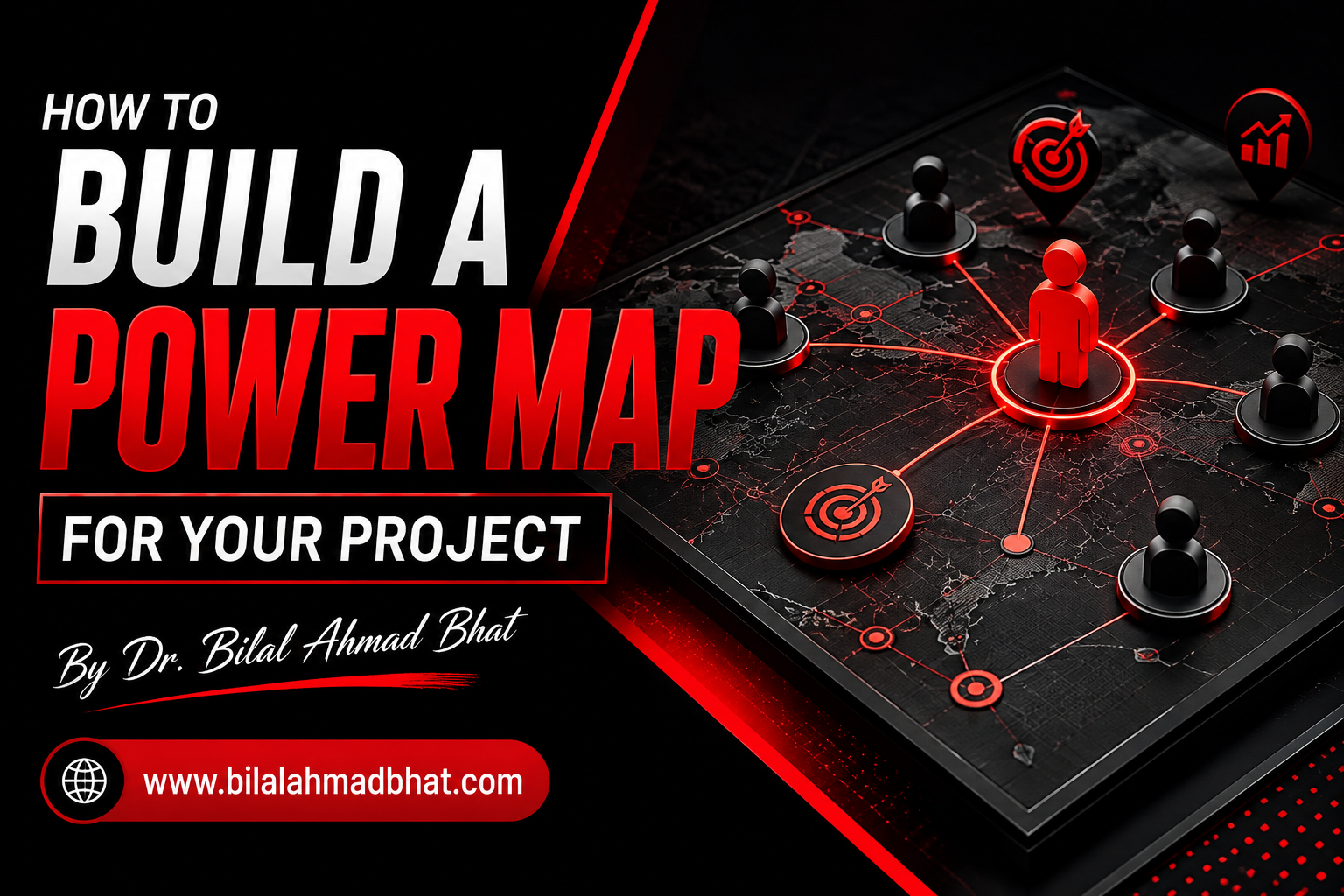
In the fast-paced and complex world of business and project management, building a Power Map is not just a strategic tool—it’s an absolute necessity. Whether you are launching a startup, managing a large corporate initiative, or driving a community project, understanding the landscape of influence around your endeavor can make or break your success. Today, I will take you through how to build a powerful, actionable Power Map for your project—a process that is designed to help you identify, engage, and leverage the key players and stakeholders who can accelerate your vision.
What is a Power Map and Why It Matters?
A Power Map is a visual representation of the influence, relationships, and interests of individuals or organizations involved in or impacted by your project. It helps you navigate the complex web of power dynamics, align resources strategically, and avoid costly blind spots.
Why is this critical? Because projects don’t operate in isolation. They exist within a network of stakeholders—investors, team members, clients, regulators, partners, and competitors—each wielding different degrees of influence. The stronger your grasp of this ecosystem, the better your chances of winning support, negotiating successfully, and delivering outstanding results.
Step 1: Identify Key Stakeholders
Start by listing every person, group, or entity that can affect or is affected by your project. Don’t limit yourself to the obvious; dig deep. Include those with formal authority, informal influence, and even adversaries who may resist your goals. Categorize them as:
- Decision Makers
- Influencers
- Gatekeepers
- Beneficiaries
- Opponents
Remember: Understanding their motivations, goals, and pain points is as important as knowing who they are.
Step 2: Analyze the Influence and Interest of Each Stakeholder
Once your list is complete, map each stakeholder on a grid of ‘influence’ versus ‘interest’. Those with high influence and high interest should be your top priority. They have the power and the desire to drive your project forward—or stall it.
Ask yourself:
- Who holds the budget power?
- Who controls information or resources?
- Who can sway public opinion or internal decision-making?
- Who has the authority to approve or reject your project?
This analysis gives you a clear view of where your energy should focus first.
Step 3: Understand Relationships and Alliances
Power is not exercised in a vacuum. The connections between stakeholders—their alliances, rivalries, and networks—shape the flow of influence. Use arrows or lines to show relationships on your map, noting the strength and type of connection (supportive, neutral, adversarial).
Building relationships with influential allies can multiply your impact exponentially. Recognize who is aligned with whom, and identify opportunities to build coalitions.
Step 4: Develop Engagement Strategies
A Power Map is only as valuable as the action it inspires. For each key stakeholder, develop tailored engagement strategies that align with their interests and influence. This could mean:
- Regular briefings for decision makers
- Collaborative workshops with influencers
- Addressing concerns of opponents through transparent dialogue
- Creating win-win proposals that benefit multiple parties
Effective engagement ensures your project is seen not as a threat, but as a valued opportunity.
Step 5: Continuously Update Your Power Map
The business environment is dynamic, and so are relationships and power structures. Make your Power Map a living document—regularly revisit and revise it to reflect changes. This ongoing vigilance will keep you ahead of challenges and open to new opportunities.
The Urgency of Building Your Power Map Now
If you are serious about achieving project success, waiting to map your power landscape could cost you dearly—missed alliances, overlooked threats, and squandered opportunities. In a world where influence often determines outcomes more than ideas alone, building a Power Map is an urgent, strategic imperative.
Don’t let your project stumble because of blind spots or misjudged relationships. Take control of your ecosystem today.
Why Trust This Guidance?
As a successful entrepreneur, philanthropist, and business coach who has helped thousands build their businesses from scratch over the last two decades in Malaysia and beyond, I have seen firsthand how Power Mapping transforms projects. The strategic insights gained from this tool empower leaders to act decisively, build powerful networks, and turn challenges into stepping stones.
Final Call to Action
Start building your Power Map right now. Gather your team, list your stakeholders, analyze the landscape, and design your engagement approach. Do not let your project be at the mercy of unseen forces. With a well-crafted Power Map, you are not just managing your project—you are leading it to success with confidence and clarity.
Remember: The difference between projects that fail and projects that flourish often lies in how well you understand and influence the power around you. Take action today. Your project—and your future depend on it.